
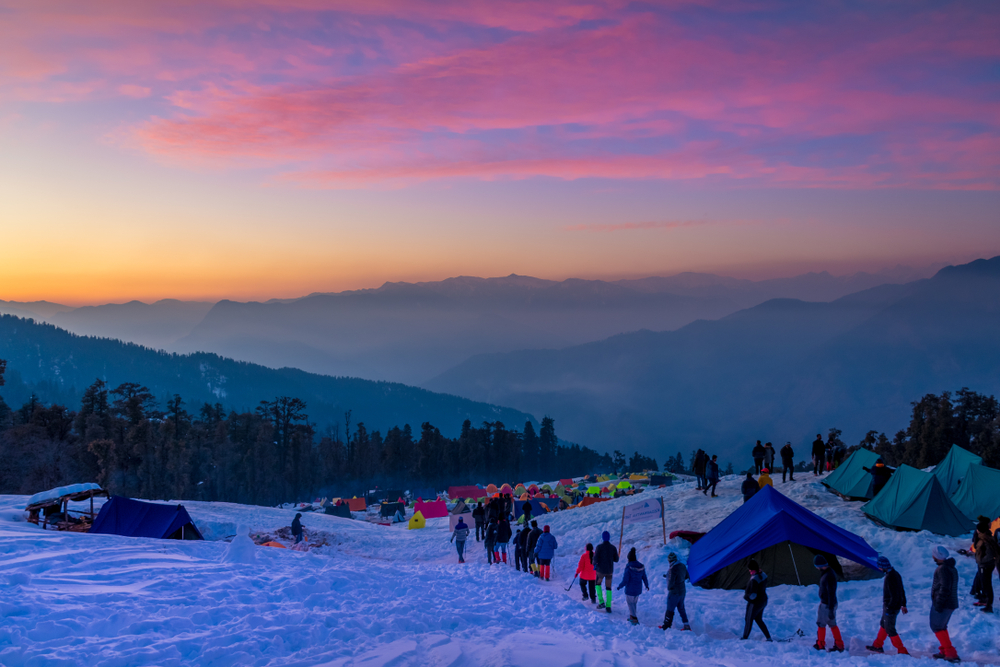
Introduction: Why the Bali Pass Trek Is in a League of Its Own
The Bali Pass trek is one of the most technically demanding and visually spectacular crossover treks in the Indian Himalaya. Crossing the Bali Pass at 16,200 ft in the Uttarkashi district of Uttarakhand, this route connects the Har Ki Dun valley on one side with the Yamunotri region on the other — two of the most celebrated trekking corridors in the Garhwal Himalaya.
Unlike standard out-and-back treks, the Bali Pass cross over trek takes you from one distinct ecosystem to another. You begin in dense oak and rhododendron forests, ascend through glaciated upper reaches, cross a high snow pass with 360-degree views of Bandarpunch, Swargarohini, and Black Peak, then descend into the rugged terrain above Yamunotri. The journey covers approximately 56 km over 8 days — every kilometre earned at altitude.
This guide covers everything you need to know before attempting the Bali Pass trek: the full itinerary, realistic difficulty assessment, cost breakdown, best season, and how to book a 2026 package that includes proper safety support.
Bali Pass Trek: Key Facts
| Pass Altitude | 16,200 ft (4,938 m) |
| Total Distance | Approx. 56 km (point-to-point crossover) |
| Duration | 8 days (standard package) |
| Difficulty Grade | Difficult — prior Himalayan experience required |
| Trek Type | Crossover (Har Ki Dun to Yamunotri region) |
| Starting Point | Sankri Village, Uttarkashi |
| End Point | Janki Chatti / Hanuman Chatti (Yamunotri side) |
| Best Season | May–June and September–October |
| Nearest Railhead | Dehradun (approx. 200 km from Sankri) |
| Insurance | Recommended; some packages include trekking insurance |
Bali Pass Trek Difficult Grade: What You Are Signing Up For
The Bali Pass trek difficult grade is not a marketing disclaimer — it is a genuine warning. This is classified as a Difficult trek, placing it among the top tier of Himalayan trekking challenges accessible without technical mountaineering equipment. Here is what makes it demanding:
| Key Difficulty Factors — Read Before You Book The pass crossing at 16,200 ft involves a steep, sustained ascent over snow and ice. In May–June, post-winter snowpack makes crampons and ice axes necessary.Total elevation gain from Sankri to the pass is approximately 9,200 ft — among the highest single-route gains in Uttarakhand trekking.The descent on the Yamunotri side is steep and loose, requiring confident footwork and strong knees.Weather at the pass changes without warning. Whiteouts, strong winds, and sudden snowfall are all realistic possibilities.Daily distances of 8–12 km at altitude exceed what most beginners can sustain safely. |
Who Should Attempt the Bali Pass Trek?
This trek is appropriate for trekkers who have already completed at least two Himalayan treks above 14,000 ft — such as Kedarkantha, Har Ki Dun, or Roopkund. First-time Himalayan trekkers should not attempt Bali Pass regardless of general fitness.
The ideal candidate is physically fit, psychologically prepared for multi-day exposure to high altitude, and willing to follow guide instructions precisely. A prior experience with snow trekking and the use of micro-spikes or crampons is a significant advantage.
Best Time for the Bali Pass Trek: 2026 Season Guide
The Bali Pass is accessible in two distinct windows each year. Outside these windows, the pass is either buried under impassable snowpack (winter/early spring) or prone to landslides and washed-out trails (July–August monsoon).
Spring Window: May and June 2026
The Bali Pass trek May 2026 and Bali Pass trek June 2026 windows offer long daylight hours and stable weather patterns in early season. Snow coverage is significant — the pass itself retains a thick snowpack, and crampons are required. The reward is dramatic high-contrast scenery: blue sky, white snowfields, and granite peaks. Rhododendrons bloom brilliantly on the lower Har Ki Dun approaches through May.
Autumn Window: September and October 2026
The post-monsoon season is the most popular and widely recommended window. Bali Pass trek September 2026 departures benefit from freshly washed skies and high visibility, while Bali Pass trek October 2026 offers arguably the crispest mountain views of the year. Snow coverage at the pass is lower than spring, making the crossing more accessible. October is the preference of most experienced Himalayan trekking guides.
Operator tip: Bali Pass trek fixed departure 2026 slots in September and October typically sell out 8–10 weeks in advance. Book early, particularly for the October batches.
Bali Pass Trek Itinerary: Full 8-Day Route Breakdown
The standard Bali Pass trek itinerary for the Bali Pass trek 8 days package begins with a road journey from Dehradun to Sankri and ends at Janki Chatti on the Yamunotri side. The Bali Pass trek 56 km route unfolds through five distinct terrain types — forest, river valley, alpine meadow, glacier moraine, and high snowfield.
Day-1: Dehradun to Sankri (Drive)
- Altitude Sankri: 1,950 m/ 6,400 ft.
- Drive: 200 km | 9-10 hrs.
Day-2: Sankri to Seema via Dharkot
- Altitude:
- Seema: 2,600 m/ 8,500 ft
- Dharkot: 2,400 m/ 8,000 ft
- Trek Distance (Dharkot- Seema): 4 km | 3-4 hours.
- Drive Distance (Sankri – Dharkot): 24 km | 2 hrs.
Day-3: Seema to Devsu Bugyal
- Altitude: 3,100 m/ 10,200 ft.
- Trek Distance : 5-6km | 5-6 hr.
Day-4: Devsu Bugyal to Ruinsara Tal
- Altitude Ruinsara Tal: 3,600 m/ 11,800 ft.
- Trek Distance: 9 km | 5 – 6 hrs.
Day-5: Ruinsara Tal to Odari
- Altitude: 4,000 m/ 13,100 ft.
- Trek Distance: 4 km | 3- 4 hrs.
Day-6: Odari to Bali col camp
- Altitude: 4,600 m/ 15,100 ft.
- Trek Distance: 5 km | 6 – 7 hrs.
Day-7: Bali col camp to Lower Dhamni via Bali Pass
- Altitude:
- Bali Pass: 4,950 m/ 16,200 ft.
- Lowar Dhamni: 3,350 m/ 11,100 ft.
- Trek Distance: 14 km | 10 – 11 hrs.
Day-8: Lower Dhamni to Janki Chatti and drive to Dehradun
- Altitude: 2,600 m/ 8,500 ft. (Janki Chatti).
- Trek Distance (Lower Dhamni – Janki Chatti): 8 km | 4 – 5 hr.
- Drive Distance (Janki Chatti- Dehradun): 170km | 7-8 hr.
Day 6 is the crux of the entire trek — the Bali Pass trek 16200 ft crossing. Teams typically start at 2:00–3:00 AM from base camp to summit the pass by mid-morning before afternoon weather deteriorates. Your guide’s judgment on summit day conditions is absolute; no trekker should push for the pass against guide advice.
Bali Pass Trek Cost: Package Pricing for 2026
The Bali Pass trek cost is higher than standard Himalayan treks — and justifiably so. The logistical complexity of a crossover route, the need for experienced high-altitude guides, the volume of safety equipment required, and the shorter operational season all contribute to a premium price point.
| Package Type | Approx. Price (INR per person) |
| 8-Day Standard Package | ₹18,000 – ₹24,000 |
| 8-Day Premium Package | ₹24,000 – ₹35,000 |
| Group Booking (8+ persons) | 5–12% discount on standard rate |
| Fixed Departure (peak slots) | ₹1,000–₹2,000 premium for Oct batches |
| With insurance included | ₹1,500–₹3,000 additional (if not standard) |
A reputable Bali Pass trek package should include: Dehradun pickup and drop (operators offering Bali Pass trek from Dehradun usually depart from Prince Chowk, Dehradun), all meals on the trail, camping equipment, high-altitude certified guide and support staff, forest and wildlife permits, crampons and ice axes (for snow crossings), and medical oxygen cylinder. Ask specifically whether Bali Pass trek insurance included is part of the package — trekking insurance covering helicopter evacuation is non-negotiable at this difficulty level.
The Bali Pass trek price typically excludes: personal trekking gear (boots, poles, thermal layers), personal travel insurance beyond group coverage, portering beyond 12 kg pack weight, and travel to Dehradun from your home city.
How to Book the Bali Pass Trek: Step-by-Step for 2026
The Bali Pass trek booking process requires more due diligence than a standard trek given the difficulty level. Here is how to do it right:
- Assess your fitness and experience honestly: Have you completed 2+ Himalayan treks above 14,000 ft? If not, do Har Ki Dun or Kedarkantha first.
- Choose a verified operator: Confirm they are registered with the Indian Mountaineering Foundation (IMF) or Uttarakhand Tourism. Bali Pass requires a licensed high-altitude guide — not simply an experienced local.
- Select your 2026 window: Decide between May/June or September/October based on your preference for snow conditions and availability. Check Bali Pass trek fixed departure 2026 calendars early.
- Confirm safety inclusions: Specifically ask whether Bali Pass trek insurance included applies to helicopter evacuation. Verify the guide-to-trekker ratio (1:6 maximum for a route this technical).
- Complete Bali Pass trek online booking: Pay a 30–50% deposit to secure your fixed departure slot. For Bali Pass trek group booking of 6 or more, negotiate a package rate directly with the operator.
- If you are starting from Dehradun, confirm the pickup point. Most operators use the Bali Pass trek pickup Prince Chowk location in central Dehradun for 5:00–6:00 AM departures.
- Begin physical preparation at least 8 weeks before departure: 45–60 min of cardio daily, stair climbs with weighted pack, and if possible, a shorter Himalayan acclimatization trek in the preceding month.
Bali Pass Trek: Honest Pros and Cons
| ✅ Why You Should Do It | ⚠️ Honest Challenges |
| True crossover — two valleys, one trek | Difficult grade — not for beginners |
| Highest accessible pass in Uttarakhand trekking | Snow and ice crossing requires crampons |
| 360° views of Bandarpunch, Swargarohini, Kala Nag | Short operational season (May–Jun, Sep–Oct) |
| Low footfall — a genuine wilderness experience | Requires prior Himalayan trekking experience |
| Combines Har Ki Dun and Yamunotri valley culture | Higher cost than standard treks |
| Strong personal achievement milestone | Helicopter evacuation may be needed in emergencies |
Expert Tips for the Bali Pass Trek: What Makes the Difference
Pre-Trek Physical Preparation
- Train specifically for descent — the Yamunotri-side descent is steep and relentless. Strengthen your quads with downhill running and weighted stair descents.
- Practice using crampons and trekking poles on inclined terrain before departure. The pass day requires confident movement on snow; hesitation at 16,000 ft in deteriorating weather is dangerous.
- Simulate altitude using strenuous exercise at moderate elevation if possible, or undertake a preparatory trek to 12,000+ ft in the 4–6 weeks before.
On the Trail — Summit Day Tactics
- On Day 6, eat a full, hot breakfast even if appetite is suppressed. Caloric reserves are critical for the pass crossing.
- Leave base camp no later than 3:00 AM on summit day. The Bali Pass summit window is typically 8:00–11:00 AM — weather closes in reliably by early afternoon.
- Pace yourself on the ascent to the pass. The final 400 vertical metres are exhausting at altitude. A slow, steady pace beats fast starts followed by stops.
- On the descent to Dhamni, do not remove crampons too early. The upper snowfield on the Yamunotri side can be steeper than the ascent.
Safety and Risk Management
| Non-Negotiable Safety Standards for Bali Pass Always confirm your operator carries supplemental oxygen (minimum 2 cylinders for a group of 6)Ensure your Bali Pass trek insurance included policy covers helicopter evacuation to Dehradun or RishikeshNever attempt the pass crossing with cloud cover below the pass — turn around and retry next morningCarry personal first-aid kit including Diamox (consult doctor), ibuprofen, blister care, and rehydration saltsRegister your trek with the local forest department at Sankri and leave an emergency contact number |
Conclusion: The Bali Pass Trek Is Not for Everyone — and That Is Precisely the Point
The Bali Pass trek sits at the top of the Uttarakhand trekking hierarchy for good reason. A 56 km crossover route that peaks at 16,200 ft, connects two legendary valleys, and requires genuine mountaineering awareness — this is not a tick-box experience. It is a test of preparation, endurance, judgment, and respect for the Himalayan environment.
For trekkers who have built their experience progressively and are ready for a significant challenge, the Bali Pass delivers something rare: the feeling of having genuinely earned every view. The summit panorama — encompassing Bandarpunch, Swargarohini, Kala Nag, and the vast sweep of the Garhwal Himalaya — is one of the most rewarding sights available to a non-technical trekker anywhere in India.
Prepare thoroughly, choose a quality operator, confirm your safety provisions, and approach the Bali Pass trek with the respect it deserves. Book your Bali Pass trek booking for 2026 early — the best fixed departure slots for September and October go fast, and this is not a trek where cutting corners on preparation or operator quality is a reasonable trade-off.
Frequently Asked Questions (Schema-Ready FAQ)
Q: How difficult is the Bali Pass trek?
A: The Bali Pass trek is classified as Difficult — the highest standard difficulty grade for non-technical Himalayan trekking. The pass crossing at 16,200 ft involves sustained ascent over snow and ice, steep descents, and significant daily distances across 8 days. Prior experience on at least two Himalayan treks above 14,000 ft is strongly recommended. First-time high-altitude trekkers should not attempt Bali Pass.
Q: What is the best time for the Bali Pass trek in 2026?
A: The Bali Pass trek is open in two windows: May–June 2026 (spring/snow season) and September–October 2026 (post-monsoon, best visibility). October 2026 is the most recommended slot for clear skies and stable conditions. Fixed departure slots for peak October dates book out 8–10 weeks in advance. Avoid July and August due to monsoon-related trail hazards.
Q: What is the cost of a Bali Pass trek package in 2026?
A: A Bali Pass trek cost ranges from approximately INR 18,000 for a standard 8-day package to INR 35,000 for premium packages. The price includes Dehradun pickup (from Prince Chowk), all trail meals, camping equipment, guide and support staff, permits, and crampons. Always confirm whether Bali Pass trek insurance is included — evacuation insurance covering helicopter rescue is essential for this difficulty level.
Q: What is the total distance and altitude of the Bali Pass trek?
A: The Bali Pass trek covers approximately 56 km in total as a crossover route from Sankri (Har Ki Dun side) to Janki Chatti (Yamunotri side). The highest point is the Bali Pass summit at 16,200 ft (4,938 m). The route involves a total elevation gain of approximately 9,200 ft from the starting village of Sankri. It is completed over 8 days.
Q: How do I reach the Bali Pass trek starting point?
A: The Bali Pass trek starts from Sankri village in Uttarkashi district. Most trekkers travel to Dehradun first, then take a 7–9 hour road journey to Sankri. Operators offering the Bali Pass trek from Dehradun typically depart from Prince Chowk, Dehradun, at 5:00–6:00 AM. If you are doing a group booking, arrange shared transport through your operator. The nearest airport and railway station is Dehradun (Jolly Grant Airport / Dehradun Railway Station). https://himalayatrekinn.com/