
Uttarakhand’s Most Rewarding High-Altitude Trail
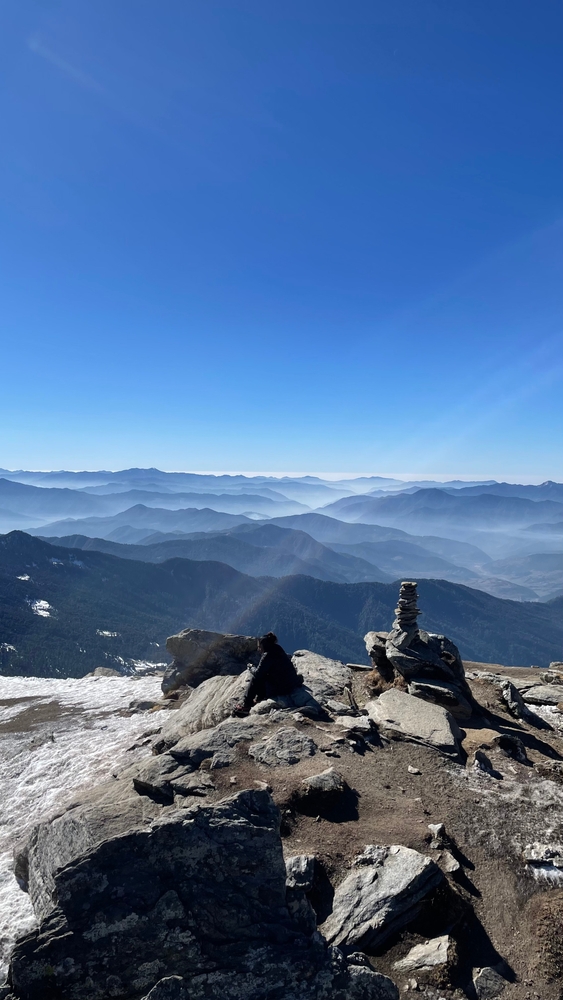
The Chopta Chandrashila Tungnath trek is widely regarded as one of the finest short treks in the Indian Himalayas — a route that packs ancient temple history, dense rhododendron forests, and a 360-degree summit panorama into just a few days of hiking. Located in the Rudraprayag district of Uttarakhand, this trail takes you from the serene meadows of Chopta (2,680 m) through the world’s highest Shiva shrine at Tungnath (3,680 m), and all the way to the Chandrashila summit at 4,130 metres.
What makes this trek exceptional is not just the altitude or the views — it’s the rare combination of spiritual significance, ecological diversity, and genuine accessibility. Whether you’re planning a Chopta trek for beginners or looking for a rewarding Chandrashila summit trek experience, this trail delivers. And with fixed departures available throughout 2026, including special Chopta trek February 2026, Chopta trek March 2026, Chopta trek April 2026, and Chopta trek May 2026 departures, there’s a perfect window for every trekker.
This guide covers everything you need to know: route details, cost breakdown, best season, day-wise itinerary, packing list, and expert booking advice.
Trek At A Glance
| Trek Grade | Moderate |
| Trek Duration | 4–5 Days (standard) / 2–3 Days (express) |
| Max Altitude | 4,130 m / 13,550 ft (Chandrashila Summit) |
| Distance | Approx. 25–30 km (round trip, Chopta to Chandrashila) |
| Best Season | March–June | September–November | December–February (snow) |
| Starting Point | Chopta Village, Uttarakhand |
| Trek from Rishikesh | ~6–7 hrs by road (approx. 225 km) |
| Nearest Airport | Jolly Grant Airport, Dehradun (~235 km) |
| Difficulty | Beginner to Intermediate friendly |
| Camping | Available at Chopta, Deoriatal, Tungnath meadows |
Why This Trek Stands Apart: Key Highlights
The Chopta Chandrashila Tungnath trek consistently ranks among top Himalayan short treks for several compelling reasons:
- Highest Shiva Shrine in the World: Tungnath Temple, one of the Panch Kedar temples, sits at 3,680 m and has been a pilgrimage site for over 1,000 years.
- The Chandrashila Summit (4,130 m): Offers a stunning panorama of Nanda Devi, Trishul, Kedar Peak, Bandarpoonch, and Chaukhamba — all in one sweeping view.
- Short Trek, Big Reward: The main trail from Chopta to Chandrashila summit is only about 6 km one-way, making it achievable over a weekend or a focused 2-day effort.
- Year-Round Trekking: Unlike many Himalayan routes, this trail is accessible across seasons — wildflowers in May, clear skies in October, and pristine snow in January–February.
- Wildlife Sanctuary Buffer Zone: The trail passes through the Kedarnath Wildlife Sanctuary, home to musk deer, Himalayan tahr, and over 200 bird species.
- Family and Beginner Friendly: The Chopta family trek package category is growing precisely because this route doesn’t demand technical climbing skills or extreme fitness.
Best Time for the Chopta Chandrashila Tungnath Trek
Timing is everything in high-altitude trekking. Here’s a month-by-month breakdown so you can plan confidently:
Winter: December to February — The Chopta Snow Trek
If you’re drawn to an immersive Chopta snow trek experience, December through February is magical. The entire trail from Chopta to Chandrashila is blanketed in deep snow, and clear winter days offer the sharpest mountain visibility of the year. The Chopta trek February 2026 batch is especially popular among photography trekkers and those seeking a true snow expedition. Temperatures can drop to -10°C at night, so proper gear is non-negotiable.
This is also when the Chopta winter trek package category sees high demand — book at least 6–8 weeks in advance.
Spring: March to May — The Best All-Round Window
The Chopta trek March 2026 through Chopta trek May 2026 period is arguably the most versatile. In March, snow still covers the upper trail, giving you snowshoeing conditions without extreme cold. By April, rhododendrons erupt in crimson and pink along the forest trail — one of the most photogenic stretches in Uttarakhand trekking. By May, temperatures are mild, skies are usually clear, and the Chopta trek April 2026 slots are popular with families and first-timers.
Monsoon: June to August — Approach with Caution
Heavy rainfall makes the trail slippery and leeches are common from June to August. Most experienced operators suspend trek operations or shift to guided-only departures. Not recommended for solo or first-time trekkers.
Autumn: September to November — Crisp and Clear
The Chopta trek September 2026 onward marks the opening of the post-monsoon window. Skies are crystal-clear, vegetation is lush green, and mountain visibility is outstanding. This is also the best time to combine the trek with the Tungnath Temple pilgrimage season. The Chopta Chandrashila trek with Deoriatal extension works especially well in October, when the lake reflections are perfect.
Day-Wise Itinerary: Chopta Chandrashila Trek 5 Days (Recommended)
While the core Chopta–Tungnath–Chandrashila route can be done in 2–3 days, a Chopta Chandrashila trek 5 days itinerary allows proper acclimatisation, the Deoriatal extension, and a more enriching overall experience.
Day 1: Rishikesh to Chopta (225 km | 6–7 hrs drive)
Depart from Rishikesh early morning for the Chopta trek from Rishikesh drive via Devprayag, Rudraprayag, and Ukhimath. Arrive at Chopta by afternoon. Acclimatise, set up camp in the meadow, and enjoy your first unobstructed Himalayan sunset. Night halt: Chopta (2,680 m).
Day 2: Chopta to Deoriatal and Back (Optional Extension)
For the Chopta Chandrashila trek with Deoriatal, wake before sunrise and drive ~18 km to Sari village, then hike 3 km to Deoriatal lake (2,438 m). The reflection of Chaukhamba in the still lake is one of the great sights of Uttarakhand. Return to Chopta for lunch. Afternoon: acclimatisation walk. Night halt: Chopta.
Day 3: Chopta to Tungnath Temple (3.5 km | 3–4 hrs ascent)
Begin the main ascent. The trail climbs steadily through dense forests before opening onto alpine meadows. Reach Tungnath Temple (3,680 m) — offer prayers at this 1,000-year-old shrine — then continue 1.5 km further to Chandrashila summit (4,130 m). Spend 45–60 minutes at the top absorbing the Himalayan panorama. Descend to Chopta. Night halt: Chopta.
Day 4: Rest / Acclimatisation / Local Exploration
Use this buffer day to explore the Chopta meadows, rest sore muscles, or do a short birding walk in the Kedarnath Wildlife Sanctuary buffer zone. Evening campfire with fellow trekkers.
Day 5: Chopta to Rishikesh (Return Drive)
Early morning departure for Rishikesh. Arrive by afternoon. Optional: evening aarti at Triveni Ghat or Ram Jhula bridge.
Chopta Chandrashila Tungnath Trek Cost: What to Expect in 2026
Trekking costs vary significantly based on whether you travel solo, in a group, or via an organised package. Here’s a realistic breakdown:
| Cost Component | Budget Option (₹) | Premium Package (₹) |
| Transport (Rishikesh ↔ Chopta, per person) | ₹1,200–₹1,800 | ₹2,500–₹3,500 |
| Accommodation (per night) | ₹350–₹600 | ₹1,200–₹2,000 |
| Meals (per day) | ₹400–₹600 | ₹800–₹1,200 |
| Trek guide (per day) | ₹800–₹1,200 | Included in package |
| Tungnath entry / forest permits | ₹150–₹300 | Included in package |
| Total (5 Days, per person) | ₹6,000–₹9,000 | ₹12,000–₹18,000 |
Most Chopta Chandrashila Tungnath trek packages in 2026 fall in the ₹9,000–₹15,000 per person range for a 4–5 day group departure, inclusive of transport from Rishikesh, all meals at camp, tented/dormitory accommodation, a certified guide, and forest permits. The Chopta Chandrashila trek price for fully guided private packages with better accommodation runs ₹18,000–₹25,000 per person. The Tungnath Chandrashila trek package with Deoriatal extension typically adds ₹1,500–₹2,500 per person.
Pros and Cons: Honest Trekker Assessment
Pros
- Accessible altitude gain — no technical climbing required
- Spiritual and cultural richness at Tungnath Temple
- Available as a snow trek (winter) or wildflower trek (spring)
- Multiple entry points — Sari village (for Deoriatal), Chopta, Ukhimath
- Excellent for photography — alpenglow on Chaukhamba is legendary
- Strong operator ecosystem for Chopta Chandrashila trek booking
Cons
- Very crowded during peak Navratri and Dussehra season (October)
- Altitude sickness possible above 3,500 m if not acclimatised
- Limited ATMs and mobile connectivity beyond Ukhimath
- Road to Chopta can be closed due to snowfall or landslides (Nov–Jan)
- Accommodation options at Chopta are basic; book early for peak season
Essential Packing List for the Chopta Chandrashila Trek
Clothing (Layering System)
- Moisture-wicking base layer (thermal in winter)
- Insulating mid-layer — fleece or down jacket
- Waterproof windproof outer shell jacket
- Trek pants (avoid denim — it stays wet)
- Warm hat, gloves, and neck gaiter (essential for Chandrashila summit)
Footwear and Equipment
- Ankle-support trekking boots with Vibram soles
- Gaiters (for snow conditions, November–March)
- Trekking poles (highly recommended for descent)
- 45–55 litre backpack with rain cover
Health and Safety
- Diamox (consult a doctor — for AMS prevention if prone)
- Personal first aid kit: blister plasters, antiseptic, bandages
- UV-protection sunglasses (mandatory above 3,500 m)
- Sunscreen SPF 50+ and lip balm
- Headlamp with extra batteries
- Water purification tablets or UV pen filter
How to Book: Chopta Chandrashila Trek Booking Guide
Booking the right operator is as important as packing the right gear. Here are the key steps for a smooth Chopta Chandrashila trek booking process:
- Define your dates — Use the fixed departure calendar. Chopta trek fixed departure 2026 slots are typically published by major operators by October of the preceding year. February, March, April, and May fill up fastest.
- Choose a SERAC or India Hikes-affiliated operator — Certified operators follow Leave No Trace principles and carry supplemental oxygen and a first aid kit on every batch.
- Check the group size — 8–12 trekkers per guide is optimal. Avoid operators running batches of 20+ without multiple guides.
- Verify what’s included — A legitimate Chopta Chandrashila Tungnath trek package should include: transport from Rishikesh, all trek meals, accommodation, permits, a certified guide, and a first aid kit.
- Read reviews on TripAdvisor, Google, or specialised trekking forums — Look for mentions of guide quality, food, and rescue protocols.
- Pay a verified advance (25–30% is industry standard) and insist on a written itinerary and cancellation policy.
Expert tip: For Chopta trek from Rishikesh packages, departure points are typically from Haridwar Bus Stand or Rishikesh main market. Confirm pickup location, time, and emergency contact numbers before travel.
Expert Recommendations from Experienced Guides
Anil Semwal, a certified Himalayan trek guide with 14 years leading groups on the Chopta Chandrashila Tungnath trek, shares these insights:
- ‘Always acclimatise one full day at Chopta before attempting Chandrashila. The 1,450-metre altitude gain from Chopta to summit is significant if you’re arriving from sea level.’
- ‘The steepest section is the final 500 metres before the summit. Trekkers who rush this section are most prone to altitude headaches. Keep your pace conversational.’
- ‘Sunrise from Chandrashila summit is better than sunset — the Kedarnath and Chaukhamba peaks catch the first light in a way that no photograph fully captures.’
- ‘In February and March, carry microspikes. The stone path to Tungnath becomes a sheet of ice in the morning before the sun hits it.’
- ‘The Chopta family trek package works perfectly for children aged 10 and above, especially in April and May. The wildflower corridor before Tungnath is short and gentle enough.’
Safety Guidelines and Fitness Requirements
Who Can Trek?
The Chopta Chandrashila Tungnath trek is genuinely a Chopta trek for beginners — with no technical mountaineering involved, no glacier crossings, and a moderate altitude profile. That said, basic fitness preparation matters:
- Minimum: 30 minutes of cardio (running or stair climbing) 4–5 times per week for 4 weeks before the trek
- Strength: Focus on quads and glutes — uphill and downhill stress these muscle groups most
- Previous hiking experience is beneficial but not mandatory
Altitude Sickness (AMS) Awareness
Acute Mountain Sickness can occur above 3,000 m, and Chandrashila summit at 4,130 m sits well within the risk zone. Key warning signs include severe headache, nausea, loss of coordination, and confusion. The rule is simple: if symptoms worsen, descend immediately. Do not push through AMS.
Most reputable Tungnath Chandrashila trek package operators include a qualified first aid person on every batch. Verify this before booking.
Conclusion: Make the Chopta Chandrashila Tungnath Trek Your Next Adventure
Few treks in India offer the density of experience that the Chopta Chandrashila Tungnath trek delivers — a living pilgrimage trail, a diverse alpine ecosystem, and a summit panorama that rivals far more demanding routes at higher altitudes. Whether you’re drawn by the spiritual pull of Tungnath Temple, the snow-covered meadows of a Chopta winter trek package, the fire of spring rhododendrons, or simply the ambition of standing atop a 4,130-metre summit, this trail has a version of itself for you.
With multiple Chopta trek fixed departure 2026 slots available — including dedicated Chopta trek February 2026, Chopta trek March 2026, Chopta trek April 2026, Chopta trek May 2026, and Chopta trek September 2026 batches — planning has never been easier. Book early, train consistently, pack right, and hire a certified guide. The Chandrashila summit will reward every step.
Frequently Asked Questions (FAQ)
Schema-optimised FAQs for the Chopta Chandrashila Tungnath trek:
Q: What is the best time for the Chopta Chandrashila Tungnath trek?
A: The best time depends on your preference. March to May offers rhododendrons and clear skies, making it ideal for first-timers. September to November delivers post-monsoon clarity and pilgrimage atmosphere. December to February is perfect for a Chopta snow trek with deep snow conditions and dramatic winter views. Avoid July–August due to heavy monsoon rainfall and trail hazards.
Q: How difficult is the Chopta Chandrashila Tungnath trek for beginners?
A: The Chopta trek for beginners is genuinely accessible. The trail from Chopta to Chandrashila summit is 6 km one way with a total altitude gain of approximately 1,450 metres. No technical climbing is involved. Basic fitness — 30 minutes of cardio 4–5 times per week for 4 weeks — is sufficient preparation. The hardest section is the final 30 minutes before the Chandrashila summit.
Q: What does the Chopta Chandrashila Tungnath trek package typically include?
A: A standard Chopta Chandrashila Tungnath trek package includes: shared transport from Rishikesh, all meals during the trek (breakfast, lunch, dinner), tented or dormitory accommodation at campsites, a certified guide and support staff, forest entry and Tungnath Temple permits, and a basic first aid kit. Premium packages add sleeping bags, trekking poles, and better-quality accommodation. Always confirm inclusions in writing before booking.
Q: What is the average Chopta Chandrashila trek cost per person in 2026?
A: The Chopta Chandrashila trek price for an organised group package in 2026 ranges from approximately ₹9,000 to ₹15,000 per person for a 4–5 day departure from Rishikesh. Budget solo trekking (with local guides and basic stays) can be done for ₹6,000–₹8,000. Premium private packages with hotel stays and porter support run ₹18,000–₹25,000. The Chopta Chandrashila trek with Deoriatal lake extension adds ₹1,500–₹2,500 per person.
Q: Is the Chopta Chandrashila Tungnath trek suitable for families with children?
A: Yes — the Chopta family trek package category is growing because the core trail from Chopta to Tungnath Temple is short (3.5 km), well-marked, and manageable for children aged 10 and above, particularly in April and May. Families typically halt at Tungnath Temple (3,680 m) and skip the final push to Chandrashila summit (4,130 m) with younger children. Always brief children on altitude sickness symptoms and carry a paediatric first aid kit. https://himalayatrekinn.com/