
The Nag Tibba Trek is the most popular weekend trek in the Garhwal Himalaya — a compact, high-reward trail that takes trekkers to the highest peak in the lower Himalayan ranges of Uttarakhand at 3,022 metres (9,915 ft). Located just 58 km from Mussoorie and around 330 km from Delhi, this trail has become the go-to Himalayan escape for working professionals, college groups, and families looking to experience real mountain terrain without committing to a full week away.
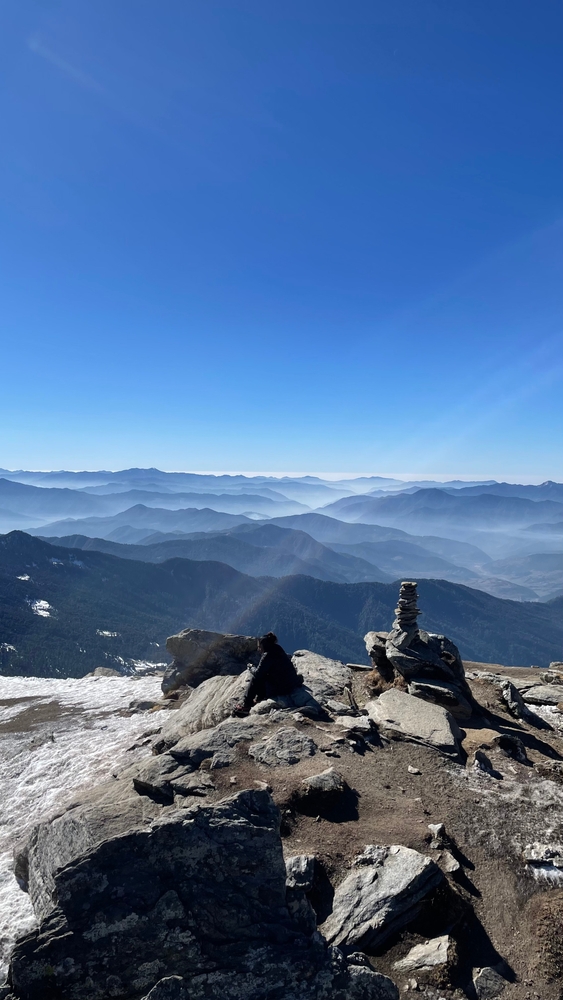
Covering approximately 14.5 km round trip through dense oak and rhododendron forest, open ridgelines, and seasonal snowfields, the Nag Tibba Trek delivers summit views of Swargarohini, Bandarpunch, Kedarnath, Gangotri, and Yamunotehri groups — a panorama that few routes of comparable length and difficulty can match anywhere in India. This guide gives you everything: costs, itinerary, booking strategy, expert tips, and the insider knowledge to make your 2026 trek exceptional.
Nag Tibba Trek Uttarakhand: Key Facts at a Glance
Here is a quick reference for the Nag Tibba Trek before you plan your logistics.
| Trek Name | Nag Tibba Trek (Nag Tibba Summit Trek) |
| Location | Tehri Garhwal District, Uttarakhand |
| Summit Altitude | 3,022 m / 9,915 ft (Nag Tibba Peak) |
| Base Village | Pantwari (2,200 m / 7,218 ft) via Mussoorie |
| Total Distance | ~14.5 km (round trip) |
| Trek Duration | 2 Days / 1 Night (weekend package) |
| Difficulty Level | Easy to Moderate |
| Best Season | Year-round; December–February for snow |
| Distance from Delhi | ~330 km (~7–8 hrs drive) |
| Distance from Dehradun | ~65 km (~2.5 hrs drive) |
| Permit Required | No mandatory forest permit (check operator for updates) |
Why the Nag Tibba Weekend Trek Is Uttarakhand’s Best 2-Day Trail
Very few treks in India combine this level of accessibility, scenery, and genuine mountain experience into a 2-day format. The Nag Tibba Trek is not a consolation prize for those who cannot do longer trails — it is a genuinely great Himalayan adventure that stands on its own merits. Here is why it consistently tops weekend trekking lists.
Key Highlights of the Nag Tibba Trek
- Summit elevation of 3,022 m puts you firmly in the Himalayan zone with genuine high-altitude cold and panoramic views.
- 14.5 km total round-trip distance — compact enough for a weekend but long enough to feel like a real trek.
- Year-round accessibility: green forest trails in summer, blazing colours in October, and a spectacular Nag Tibba Trek snow trek package opportunity from December through February.
- Proximity to Delhi and Dehradun makes it the most logistics-friendly Himalayan trek in northern India.
- Summit views of 7 major Himalayan ranges including Swargarohini (6,252 m), Kedarnath (6,940 m), Gangotri (6,672 m), and Bandarpunch (6,316 m).
- Pantwari village trailhead with authentic Garhwali homestay options for those wanting a cultural dimension.
- Suitable for beginners, first-timers, school groups, corporate outings, and experienced trekkers looking for a quick Himalayan fix.
- No technical gear required — standard trekking kit and basic fitness suffice.
Nag Tibba Trek Itinerary: 2 Days from Delhi or Dehradun
The standard Nag Tibba Trek 2 days itinerary is designed to fit neatly into a weekend — departing Delhi Friday night or Saturday early morning and returning Sunday evening. Below is the schedule used by experienced operators running Nag Tibba Trek fixed departures 2026.
Day 1: Drive to Pantwari + Trek to Nag Tibba Base Camp (7–8 km | 3,022 m)
Depart Delhi by 10:00–11:00 PM Friday (for a Saturday start) or Dehradun by 6:00–7:00 AM Saturday. Reach Pantwari village (2,200 m) by mid-morning. Quick briefing, snack, and pack adjustment. Trek begins through mixed oak and rhododendron forest on a well-defined trail. Gradient is steady but manageable throughout. Reach the campsite near the temple (Nag Tibba shrine at ~2,800 m) by early afternoon. Explore the area, rest, and enjoy sunset views of the Himalayan skyline. Dinner at camp. Overnight in tents.
Altitude: 2,200 m (Pantwari) to ~2,800 m (camp) | Distance: ~7 km | Time: 4–5 hrs
Day 2: Nag Tibba Summit & Return to Pantwari (7.5 km | Descent)
Alpine start at 5:30–6:00 AM for the final push to Nag Tibba Summit (3,022 m) — approximately 1.5–2 hours from camp. Sunrise from the summit is the defining moment of the trek: a 270-degree panorama of snow-capped peaks stretching across the entire Garhwal and Kumaon ranges. Spend 45–60 minutes on the summit before descending back to camp for breakfast. Pack up and descend via the same route to Pantwari. Drive back to Dehradun or Delhi, arriving by evening.
Altitude: 3,022 m (summit) → 2,200 m (Pantwari) | Distance: ~7.5 km | Time: 4–5 hrs
Alternate 3-Day Option: Add an extra night at the base camp with a sunset/sunrise photography session on the summit ridge. This works particularly well for Nag Tibba Trek snow trek packages in December–February where slower trail pace is needed.
Nag Tibba Trek Cost: Full Pricing Breakdown for 2026
The Nag Tibba Trek cost is one of the most competitive among all Uttarakhand treks, reflecting its short duration and proximity to major cities. Below is a transparent breakdown of Nag Tibba Trek price per person across all package tiers in 2026.
Nag Tibba Trek Package Pricing Per Person (2026)
| Package Tier | Cost (INR/person) | Key Inclusions |
| Budget Group (8–12 pax) | ₹2,500 – ₹4,000 | Basic tents, veg meals (Day 1 dinner + Day 2 breakfast), guide |
| Standard Weekend Package | ₹4,500 – ₹7,000 | Quality tents, sleeping bags, all meals, certified guide, first aid |
| Premium Package | ₹7,500 – ₹11,000 | Private tents, sleeping bags, all meals, photography support, porter |
| From Delhi (Transport Included) | ₹5,500 – ₹9,000 | AC transport from Delhi, all meals, camp, guide, return drop |
| From Dehradun (Transport Included) | ₹3,500 – ₹6,500 | Transport from Dehradun, all meals on trail, camp, guide |
| Snow Trek Package (Dec–Feb) | ₹5,000 – ₹9,500 | Winter gear (gaiters, microspikes), all meals, warm sleeping bag |
Budget Tip: The most affordable Nag Tibba Trek packages are available in the off-peak months of August (just after monsoon) and November (pre-winter). Operators regularly offer a Nag Tibba Trek early bird offer of 10–15% discount on Nag Tibba Trek 2 days cost when bookings are confirmed 3+ weeks in advance. For the Nag Tibba Trek best price, compare at least 3 registered operators and ask specifically whether Nag Tibba Trek with transport from Dehradun is included.
How to Book the Nag Tibba Trek: Fast, Smart & Safe
The Nag Tibba Trek quick booking process is one of its advantages over longer routes — most operators can confirm your slot within 24–48 hours. But speed should not come at the cost of due diligence. Here is how to book Nag Tibba Trek online without compromising on safety or value.
- Step 1 — Pick Your Weekend & Season
The Nag Tibba Trek runs year-round, but your preferred experience dictates your timing. Snowfall: December–February. Green forest: June, September. Autumn colours: October–November. For a Nag Tibba Trek from Delhi weekend trip, factor in the Friday night departure and Sunday evening return window — this is the format most operators build their Nag Tibba Trek weekend package around.
- Step 2 — Verify Operator Registration
Use only operators registered with Uttarakhand Tourism. Check that guides hold wilderness first aid certification. For Nag Tibba Trek group booking of corporate or school groups, confirm the maximum trekker-to-guide ratio (ideal: 10:1 or better) and ask for references.
- Step 3 — Compare Weekend Package Inclusions
When comparing a Nag Tibba Trek package, ask: Is transport from Delhi or Dehradun included? What sleeping bag temperature rating is provided? Are microspikes or gaiters included in the Nag Tibba Trek snow trek package? What is the emergency protocol?
- Step 4 — Book Nag Tibba Trek Online
Most established operators support secure online booking for Nag Tibba Trek fixed departures 2026 with a 30–50% advance deposit (lower than longer treks due to the short duration). Confirm: exact pickup point, departure time, what to carry, and the cancellation policy in writing.
- Step 5 — Pack Light & Smart
For a 2-day trek, your pack should not exceed 7–8 kg. Leave heavy items behind at your hotel in Dehradun or the operator’s base. See the packing checklist below.
Best Time for the Nag Tibba Trek: Season-by-Season Guide
One of the Nag Tibba Trek’s greatest strengths is its year-round viability. Here is an honest breakdown of each season’s conditions.
- March – April ★★★★☆ Rhododendrons bloom on the trail. Occasional light snow at summit. Pleasant temperatures. Ideal for first-timers.
- May – June ★★★★☆ Lush forest, moderate temperatures, pre-monsoon clarity. One of the busiest periods — book Nag Tibba Trek fixed departures 2026 early for this window.
- July – August ★★★☆☆ Monsoon season. Trails are slippery and leeches are present. Views often obscured by clouds. Experienced trekkers only with careful operator selection.
- September – October ★★★★★ Best overall season. Post-monsoon clarity, autumn colours in October, stable trail conditions. Peak demand for Nag Tibba Trek weekend package departures.
- November ★★★★☆ Cool, clear, low crowds. Early snowfall possible at summit. Excellent photography conditions.
- December – February ★★★★★ (snow lovers) Full snow cover on summit and upper trail. The Nag Tibba Trek snow trek package season. Microspikes required. Temperatures at camp drop to -8 to -12°C. Spectacular but demands proper gear and operator expertise.
Nag Tibba Trek Packing List & Expert Tips
Essential Gear for a 2-Day Nag Tibba Trek
The Nag Tibba Trek’s short duration means a streamlined kit is both possible and advisable. Here is what you actually need:
- Waterproof trekking boots with ankle support — the single most important gear item. Trail is rocky and can be icy in winter.
- Day pack of 20–30 litres (enough for 2 days if camp setup is operator-managed).
- Layering: moisture-wicking base + fleece + waterproof wind shell. Summit temperatures can drop below 0°C even in summer.
- Sleeping bag rated to -5°C minimum — confirm temperature rating with your operator before booking.
- Trekking poles — particularly useful on Day 2 descent which is steep on the knees.
- Headlamp with fresh batteries for the 5:30 AM summit push.
- Water bottle (1.5–2 litres); water is available at camp.
- SPF 50+ sunscreen and UV sunglasses — UV exposure is significant above 2,800 m.
- Snacks: energy bars, nuts, dried fruit for Day 2 summit push.
- Winter additions (Dec–Feb): thermal base layers, insulated gloves, balaclava, microspikes or gaiters.
Expert Opinion: What Most Weekend Trekkers Get Wrong on Nag Tibba
“The Nag Tibba Trek catches people off guard in two ways. First, the final 45 minutes to the summit on Day 2 are deceptively steep after a full night at high altitude — people who skip stretching and arrive at camp already tired struggle here. Second, everyone underestimates the wind. At 3,022 metres in January, wind-chill can make the effective temperature feel like -20°C within minutes. I have seen people in jeans on this summit in February. The trek is forgiving, but the mountain is not.” — Lead Trek Guide, Dehradun (7 years running Nag Tibba Summit Trek departures)
From a planning perspective, a Nag Tibba Trek from Delhi weekend trip requires honest Friday night logistics: if your bus departs Delhi at 11:00 PM, expect to reach Pantwari by 8:00–9:00 AM Saturday. Operators who claim a 6:00 AM Pantwari arrival from Delhi are either departing at 8:00 PM (meaning you lose Friday evening) or the distance math simply does not work.
Nag Tibba Trek: Honest Pros & Cons
Pros:
- Perfectly designed for a 2-day weekend format — zero annual leave required.
- Closest summit above 3,000 m to Delhi — unmatched access-to-altitude ratio in North India.
- Year-round viability with genuinely different seasonal experiences.
- Affordable Nag Tibba Trek packages starting at ₹2,500 — most accessible entry point in Himalayan trekking.
- No technical skill or prior high-altitude experience required.
- Excellent operator infrastructure — dozens of registered companies run Nag Tibba fixed departures weekly.
- Spectacular summit panorama disproportionate to the trek’s length and difficulty.
Cons:
- High weekend crowd density during peak season (October, December–January) — the summit can get congested.
- Friday night long drive from Delhi (7–8 hrs) means arriving tired for a morning trek start.
- Short duration means less wilderness immersion than longer Himalayan routes.
- Monsoon season (July–August) significantly degrades trail conditions and visibility.
- Budget operators may provide sub-standard cold-weather gear — sleeping bag rating verification is essential for winter treks.
Getting to Pantwari: Nag Tibba Trek with Transport from Dehradun & Delhi
Pantwari village, at 2,200 metres, is the standard trailhead for the Nag Tibba Trek. Here is how to reach it from the two main departure points.
From Delhi (Nag Tibba Trek from Delhi Weekend)
Delhi → Dehradun (overnight Volvo bus or Shatabdi train, ~6–7 hrs) → Mussoorie → Kempty Falls → Nainbag → Pantwari (~58 km from Mussoorie, ~2.5 hrs). Total: 7–8 hours from Delhi. Premium Nag Tibba Trek packages from Delhi include an AC vehicle from Delhi ISBT covering the full journey, making it the most comfortable format for a weekend departure.
Nag Tibba Trek with Transport from Dehradun
Dehradun → Mussoorie → Nainbag → Pantwari. Distance: ~65 km. Drive time: 2–2.5 hrs. Most operators include shared or private cab from Dehradun in their standard packages. This is the most common pickup point for Nag Tibba Trek fixed departures 2026.
By Own Vehicle
Drive to Pantwari via Mussoorie–Kempty Falls–Nainbag road. Parking available at Pantwari village. Coordinate camping gear pickup with your operator in advance.
Final Verdict: Is the Nag Tibba Trek the Best Weekend Himalayan Trek in India?
For a 2-day format, it is very difficult to beat the Nag Tibba Trek. The combination of a genuine 3,022-metre summit, a classic 14.5 km trail through diverse forest and alpine terrain, and logistics designed around a working professional’s weekend is something no other Himalayan route can fully replicate at this proximity to Delhi.
Whether you are chasing the January snowfields with a Nag Tibba Trek snow trek package, the October gold with a standard Nag Tibba Trek weekend package, or simply want the most efficient path to a 3,000-metre summit — this trail delivers. With Nag Tibba Trek fixed departures 2026 open year-round and affordable packages starting under ₹3,000, the only real barrier is finding the free weekend to go. Book your Nag Tibba Trek booking early for peak season slots — and let the mountain take care of the rest.
Frequently Asked Questions: Nag Tibba Trek (Schema-Ready FAQ)
Q1. What is the total distance of the Nag Tibba Trek?
The Nag Tibba Trek covers approximately 14.5 km as a round trip from Pantwari village to the Nag Tibba summit (3,022 m) and back. Day 1 typically covers 7 km to the camp near the temple, and Day 2 covers the remaining 1.5 km to the summit plus the full 7 km descent.
Q2. What is the Nag Tibba Trek cost per person in 2026?
The Nag Tibba Trek cost per person in 2026 ranges from ₹2,500 for a budget group package to ₹11,000 for a premium all-inclusive package. A standard Nag Tibba Trek 2 days cost with transport from Dehradun, all meals, camp, and certified guide typically falls between ₹4,500 and ₹7,000. Packages from Delhi with AC transport included start at ₹5,500.
Q3. Is the Nag Tibba Trek suitable for beginners?
Yes. The Nag Tibba Trek is rated Easy to Moderate and is one of the most beginner-friendly high-altitude treks in India. No prior trekking experience or technical skills are required. Basic fitness — the ability to walk 7–8 km on hilly terrain — is sufficient. The short 2-day format also limits exposure for people new to high altitude.
Q4. How do I book the Nag Tibba Trek online for 2026?
To book Nag Tibba Trek online, visit the website of a Uttarakhand Tourism-registered operator, select your preferred weekend from the Nag Tibba Trek fixed departures 2026 calendar, and pay a 30–50% advance deposit to confirm your slot. For Nag Tibba Trek group booking of 6+ people, request a group discount. Always verify that sleeping bag ratings, transport, and emergency protocols are clearly stated in the package terms.
Q5. What makes the Nag Tibba Trek good in winter?
The Nag Tibba Trek snow trek package in December–February offers one of the most spectacular and accessible snow trekking experiences near Delhi. The upper trail and summit are fully snow-covered, creating a dramatic winter landscape without requiring the technical mountaineering skills of higher-altitude snow routes. Operators provide microspikes and appropriate sleeping bags as part of the winter package. Temperatures at camp drop to -8 to -12°C, so cold-weather layering is non-negotiable. https://himalayatrekinn.com/